

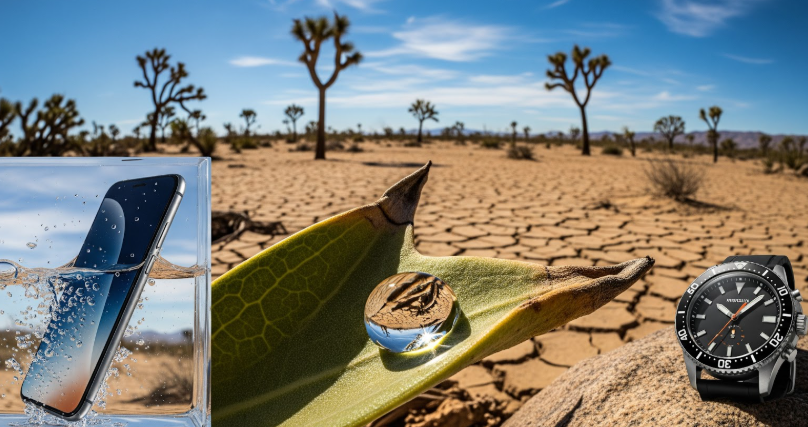
Why These Flooring Terms Confuse So Many Buyers
If you’ve ever walked into a flooring showroom and felt confused by “water-resistant” and “waterproof” labels, you’re not alone. These two terms sound almost identical — but in the world of flooring, they mean very different things.
For Palmdale, CA homeowners, where dry summers and the occasional winter rain can put floors to the test, knowing the difference can save you time, money, and frustration. Understanding what each term truly means helps you choose flooring that stands up to your lifestyle, family needs, and local climate.
Let’s break down what sets water-resistant and waterproof flooring apart — and which option is right for your home.
What “Water-Resistant” Really Means
“Water-resistant” flooring can handle small spills, light moisture, and short-term exposure to water. It’s designed to resist absorption for a limited period, giving you time to clean up before any damage occurs.
Here’s what you can expect from water-resistant flooring:
Short-term protection: Great for everyday spills like drinks or pet messes.
Durable surface coatings: These layers prevent moisture from seeping in right away.
Ideal locations: Bedrooms, living rooms, and low-moisture spaces where water contact is minimal.
However, water-resistant floors are not invincible. If liquid sits too long — for example, from a plumbing leak or heavy mop water — it can seep through seams and damage the core layer.
For busy families in Palmdale, water-resistant flooring offers solid performance for everyday use, but it’s not ideal for high-moisture rooms like kitchens or bathrooms.
What Makes Flooring “Waterproof”
Waterproof flooring takes protection several steps further. Unlike water-resistant floors, it’s built with core materials and locking systems that prevent any water from penetrating the planks or tiles — even during long exposure.
Here’s what defines truly waterproof flooring:
Completely sealed structure: Water cannot pass through the surface or seams.
Rigid core materials: Typically made of vinyl or stone-plastic composite (SPC).
Perfect for wet zones: Kitchens, bathrooms, laundry rooms, and basements.
Easy cleanup: Spills and splashes can be wiped away without worry.
This means that even if your dishwasher leaks or your kids splash water out of the tub, waterproof floors stay intact. For Palmdale’s mix of warm weather and occasional dampness, that’s a major plus for long-term durability.
Comparing Durability and Performance
Both water-resistant and waterproof flooring types can look nearly identical — but their internal construction is what determines long-term performance.
Here’s how they stack up:
Core strength: Waterproof floors use high-density SPC or WPC cores that prevent swelling or warping. Water-resistant floors often use fibreboard cores that can expand when saturated.
Maintenance needs: Water-resistant options require careful cleaning habits to avoid prolonged moisture. Waterproof flooring allows for easy wet mopping and worry-free maintenance.
Cost: Waterproof options tend to cost more upfront but often save money over time by preventing water-related repairs.
Longevity: Waterproof floors last longer in moisture-prone homes, making them ideal for families and pet owners.
If your Palmdale home has active kids, pets, or areas with heavy foot traffic, waterproof flooring is almost always worth the investment.
Best Rooms for Each Flooring Type
Different rooms have different demands. Choosing wisely ensures that your floors not only look good but perform beautifully for years.
Water-Resistant Flooring Is Ideal For:
Bedrooms and home offices
Living rooms and hallways
Dining areas with low moisture exposure
Waterproof Flooring Works Best In:
Bathrooms and kitchens
Laundry and utility rooms
Entryways and basements
In Palmdale’s climate, where hot summers and rare rainstorms create unique indoor moisture patterns, combining both types strategically across your home can deliver the best balance of style and function.
Why Material Quality and Installation Matter
Even the most advanced flooring can fail if installed incorrectly. Gaps, uneven subfloors, or poor sealing allow moisture to seep through — no matter how “waterproof” the material claims to be.
Professional installation ensures your flooring performs as promised. Properly fitted planks, moisture-tested subfloors, and precision sealing around edges protect your investment from water damage.
At Metro Floors Inc., our experienced installers know how to tailor every project to the conditions of Palmdale homes. From preparation to finishing touches, we make sure your new floors are both beautiful and protected.
Caring for Water-Resistant and Waterproof Floors
The right care routine keeps your flooring looking its best — and ensures long-lasting performance.
Follow these easy steps for either type:
Sweep regularly to remove dirt and dust.
Wipe spills immediately, even on waterproof floors.
Use mats at entryways to trap moisture.
Avoid harsh cleaners or abrasive pads that can wear down protective coatings.
Keep indoor humidity stable year-round to prevent warping or gaps.
Even though waterproof floors offer strong protection, maintaining good cleaning habits extends their life and keeps them looking fresh.
Which One Should Palmdale Homeowners Choose?
The choice between water-resistant and waterproof flooring comes down to lifestyle and location.
If you have a quiet home with limited moisture exposure, water-resistant flooring provides excellent style and comfort at a great value. But for households with pets, children, or moisture-heavy areas like kitchens and bathrooms, waterproof flooring is the smarter, longer-lasting solution.
Waterproof floors provide peace of mind — no swelling, no peeling, no stress — even when life gets a little messy.
To explore your options or get expert advice for your next flooring project, get in touch with Metro Floors Inc. today. Our friendly team can help you find the perfect solution for your Palmdale home that combines beauty, function, and lasting durability.


